Ham radio for beginners, minus the guesswork
Calculators, honest buying guides, and plain-English references that take you from "no license" to your first contact — without fake reviews or made-up range claims.
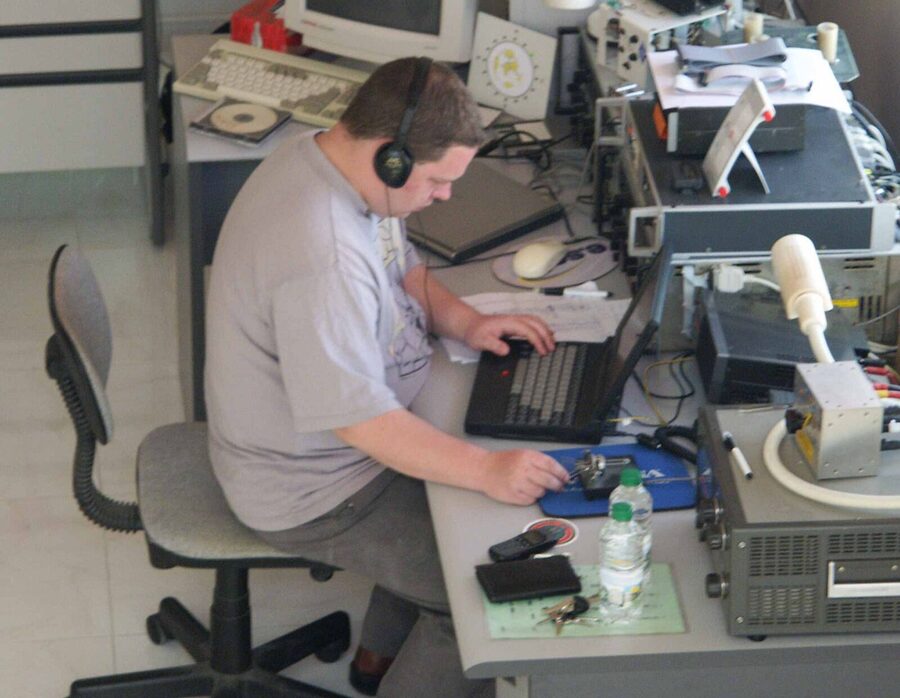
HamStart is a free, tool-first reference for new US hams. Use our antenna length calculator, coax loss calculator, HT comparison, and Technician study planner to make real decisions, then read honest buying guides with no fake reviews, no live prices, and no marketing hype. We help you get licensed, pick a radio, put up an antenna, and measure SWR the right way.
Free calculators
Popular buying guides
Guides for new hams
Beyond your first repeater
Technician band plan at a glance
These are the US bands a Technician can use. Enter a frequency in the antenna calculator to see where it lands.
What you can do here
HamStart is built around tools first and words second. Instead of long affiliate pitches, we give you calculators and comparisons that answer the exact question in front of you, then explain what the numbers mean.
- Antenna length calculator — get a starting length for a quarter-wave or dipole, then trim with an SWR meter.
- Coax loss calculator — see how many watts your feedline eats before your signal ever reaches the antenna.
- Repeater offset calculator — turn any repeater listing into the exact transmit frequency and tone your radio needs.
- HT comparison — compare popular handheld radios on the specs that actually matter to a beginner.
- Technician study planner — build a realistic schedule to pass the exam, based on the current question pool.
- SWR calculator — convert SWR to return loss and reflected power so meter readings stop being a mystery.
Around the tools sit plain-English guides and buying picks that name specific gear only when we can explain why.
Start here: the beginner path
Almost every new ham follows the same four steps. Do them in order and you skip most of the frustration.
- Get licensed. In the US you need a Technician license to transmit on ham bands; listening needs no license at all. The exam is 35 questions. See how to get your Technician license.
- Pick a radio. Most people start with an inexpensive dual-band handheld (HT). Use the HT comparison and our beginner HT guide to choose.
- Put up an antenna. The antenna matters more than the radio. Start with the antenna length calculator and our antenna basics guide.
- Measure SWR. Before you transmit at full power, confirm the antenna is matched. High SWR (above 3:1) can damage your radio's finals. See how to tune antenna SWR.
Why tools, not hype
A lot of ham content online exists to sell you something. You will see "36-mile range" claims on handhelds that realistically do 1 to 5 miles simplex line-of-sight, star ratings that were never earned, and prices that are already out of date. We do things differently.
- We do not publish fake reviews, star ratings, prices, or stock claims.
- We give you calculators so you can check the math yourself instead of trusting a headline.
- When we recommend gear, we say what it is good for and where it falls short.
See our mission and affiliate disclosure for how this stays honest.
Frequently asked questions
Do I need a license to use a ham radio?
To transmit on ham bands in the US, yes — you need at least a Technician license, which requires passing a 35-question exam. Listening or receiving needs no license. Note that FRS and GMRS are not ham radio; GMRS needs its own license but no test. The only exception to transmitting without a license is a genuine emergency involving immediate safety of life or property (FCC Part 97.403).
Is HamStart free?
Yes. All of the tools and guides are free to use. The site is supported by advertising and by affiliate links (for example, Amazon Associates) that may earn us a commission at no extra cost to you. That support never changes what we recommend. See our affiliate disclosure.
Who is this site for?
Complete beginners and newly licensed US hams, especially anyone studying for or just past the Technician exam. If you are picking your first handheld, cutting your first antenna, or trying to make sense of an SWR reading, you are in the right place. More experienced operators are welcome too, but the material is written to be understandable with no prior knowledge.