Emergency Communications 101: When the Cell Towers Go Quiet
A workable emergency plan has three layers: a family layer (GMRS/FRS radios everyone can legally use), a local layer (your dual-band ham radio on repeaters, with 146.520 MHz simplex as the no-infrastructure backup), and an information layer (NOAA weather radio and scanning). Write frequencies on paper, power everything from batteries you actually rotate, and practice monthly — gear without practice is a prop.
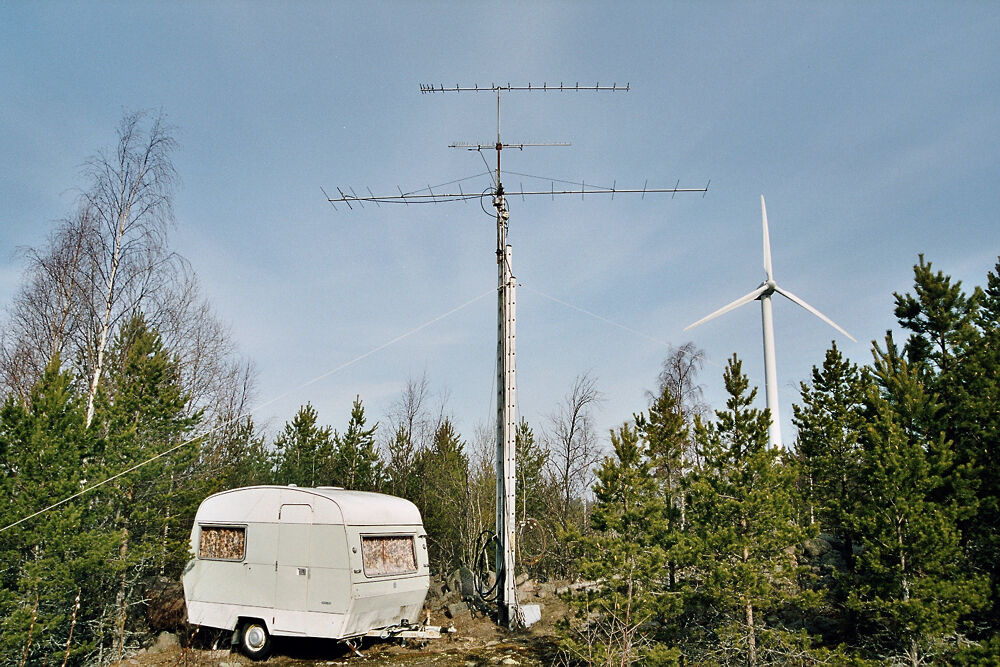
Every large disaster follows the same communications script: cell networks die from congestion or power loss within hours, and the traffic that still moves is radio. Amateur radio's role isn't nostalgia — it's the only consumer-accessible system with no subscription, no tower dependency, and operators trained to pass messages when everything else is dark.
This guide builds your capability in honest layers: the family plan, the go-kit, the organizations worth joining (ARES, RACES, SKYWARN), and the FCC rules that apply when things get real. It pairs with our picks for the best emergency radios and portable antennas.
The three-layer plan (write this down — on paper)
Effective emergency comms is a plan, not a pile of radios:
| Layer | Who | Equipment | Frequencies to pre-agree |
|---|---|---|---|
| Family | Everyone, licensed or not | GMRS/FRS handhelds | A primary and backup channel + meeting times |
| Local / neighborhood | You (licensed ham) | Dual-band HT or mobile | Two local repeaters + 146.520 simplex + one backup simplex |
| Information | Everyone | Any receiver | NOAA WX (162.400–162.550 MHz), local broadcast |
The ARRL's own field guidance is blunt: use simplex whenever possible, keep 146.520 MHz as the common calling point, and have at least one alternative simplex channel — repeaters may be down or overloaded exactly when you need them (backup power varies machine to machine). Print the plan; a laminated card in each go-bag outlives every phone battery.
Why GMRS is the right family layer
Your ham license covers you — not your spouse or kids. That's the gap GMRS fills: one $35, no-exam, 10-year FCC license covers your entire immediate family, on radios with real power (up to 50 W mobiles) and access to GMRS repeaters. FRS needs no license at all for the low-power channels every bubble-pack radio uses.
The practical family stack: a pair of decent GMRS handhelds for the household, channel numbers written on the radios in paint pen, and a monthly two-minute radio check. Details and gear in ham vs CB vs GMRS and best GMRS radios.
The go-kit: ARES-style contents that actually matter
Distilled from ARES go-kit checklists and field manuals, the radio core of a 24-hour kit:
- Dual-band HT with speaker-mic (the mic keeps the radio protected on your belt in weather).
- Two spare battery packs, plus an AA-cell battery shell — alkalines are everywhere when chargers aren't.
- A gain antenna: roll-up J-pole with 10–20 ft of coax (hang it high; it triples your effective reach) and/or a mag-mount for any vehicle roof.
- Adapters: SMA↔BNC and SMA↔SO-239 pigtails so your radio mates with any antenna you encounter.
- Paper: printed repeater list, your plan card, message forms (ICS-213 if you'll work with agencies), logbook, pencils.
- Personal: headlamp, water, snacks, weather layer — 24 hours of self-sufficiency so you're an asset, not a casualty.
Power beyond batteries: a 12 V LiFePO4 pack plus a folding solar panel runs an HT for weeks. Everything battery-related gets rotated and tested on a calendar, or it's decorative.
ARES, RACES, SKYWARN: which organization fits
Three names come up constantly; they're different things:
- ARES (Amateur Radio Emergency Service) — the ARRL's volunteer program. Any licensed ham can register with the local Emergency Coordinator (form FSD-98), train, and serve agencies like the Red Cross during activations. This is the natural home for a motivated new Technician: find your group via the ARRL's ARES page, show up to a meeting, join a weekly net.
- RACES (Radio Amateur Civil Emergency Service) — not a club but an FCC framework (rule 97.407) for hams enrolled with a government emergency-management agency, activated only by that government. Many hams belong to both ARES and RACES through the same county group.
- SKYWARN — the National Weather Service's storm-spotter program. Training is free, takes about two hours, and hams relay ground-truth severe-weather reports to NWS offices by radio. The single fastest way for a new ham to do genuinely useful public service.
Add FEMA's free online IS-100 and IS-700 courses if you go the ARES route — many groups expect them, and they teach the incident vocabulary agencies use.
What the FCC rules actually say about emergencies
Two rules cover the scenarios people worry about:
- 97.403 (safety of life): no rule prevents an amateur station from using any means of radiocommunication at its disposal for essential communications involving the immediate safety of human life and immediate protection of property when normal systems are unavailable.
- 97.405 (station in distress): a station in distress may use any means at its disposal to attract attention and obtain assistance.
Plain English: in a genuine life-safety emergency, communicate — the rules get out of the way. What these rules are not: a license waiver for practice, convenience, or "testing." The unlicensed-family answer remains GMRS/FRS, and the right time to get the Technician license is before the emergency, not during it.
Practice: the difference between gear and capability
A monthly 30-minute drill turns the pile of equipment into a system:
- Radio check on your two family channels — from actual likely locations (school, work), not across the kitchen.
- Hit both planned repeaters from home and from your car; note dead spots.
- One simplex contact on 146.520 or your backup channel — learn your real no-infrastructure radius (the range calculator predicts it; the drill verifies it).
- Check in to one net — ARES/club nets exist precisely to practice the formats used when it counts.
- Rotate batteries, re-print anything that changed.
Then put dates on the calendar for the two big annual rehearsals: ARRL Field Day (fourth full weekend of June) and any local SET (Simulated Emergency Test) your ARES group runs.